Premier Siding Services: Safeguarding Your Home While Improving Its Appearance
Skilled siding contractors offer a dual purpose: they shield residences from weather conditions and improve aesthetic value. As homes age, symptoms including fractures and moisture accumulation indicate the need for prompt siding replacement. Selecting premium materials suited to local weather conditions can greatly impact longevity and thermal performance. The importance of professional installation cannot be overstated. Grasping these key factors is essential for property owners planning a renovation. What factors should one weigh before making such a decision?
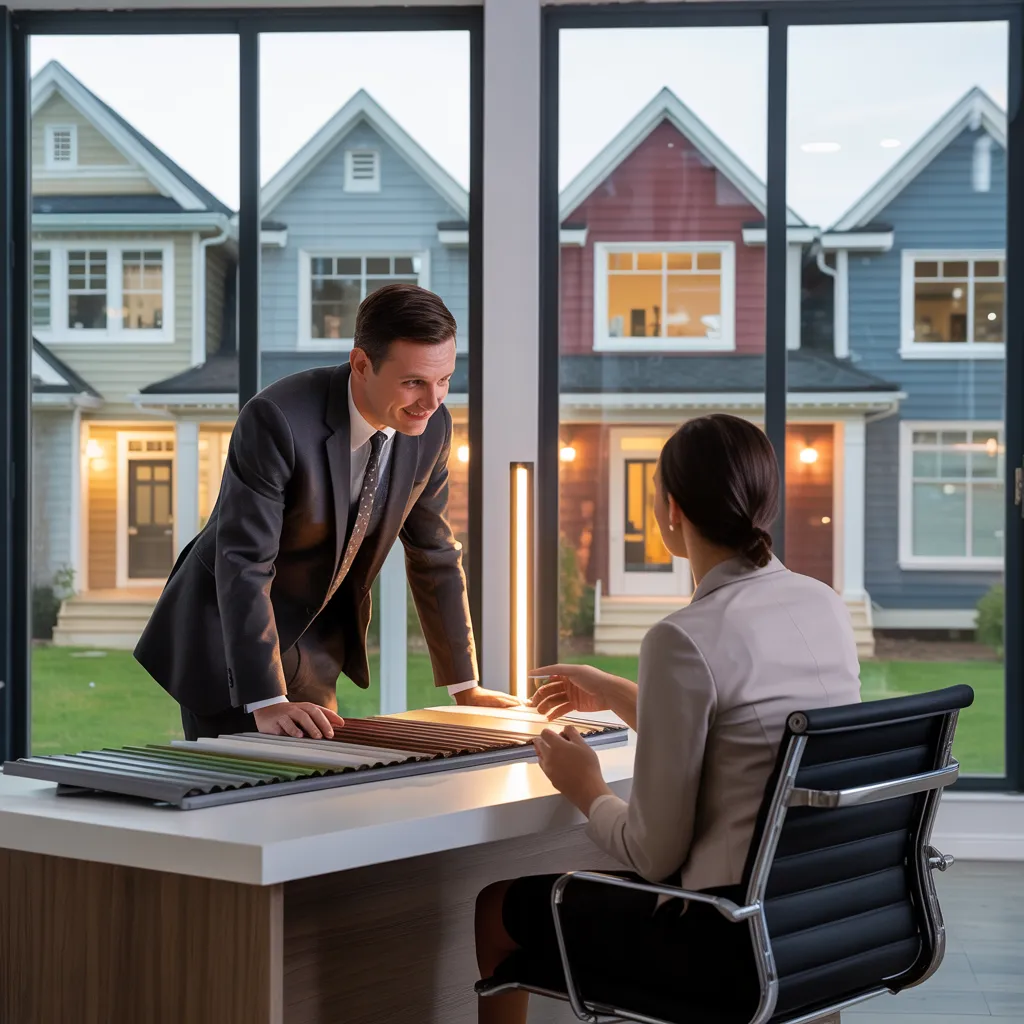
How to Know When Your Siding Should Be Replaced?
When is it time for homeowners to replace their siding? Homeowners need to be aware of various indicators that point to the need for siding replacement. Noticeable damage, including cracks, warping, or peeling paint, can undermine the exterior's structural integrity and visual appeal. In addition, moisture or mold growth may point to hidden issues that can become costly if not promptly addressed. Unexpected increases in energy bills may be a sign of inadequate insulation resulting from aging siding, making it necessary to reassess the home's exterior. Beyond that, age is an important consideration, as most siding materials are designed to last anywhere from 20 to 30 years. Finally, if a homeowner notices increased noise pollution from outside, it might be time to upgrade to a more soundproof siding option. Identifying these indicators promptly can assist in preserving the home's safety and visual charm while avoiding further issues down the line.
Why High-Quality Siding Is Important for Your Home
High-quality siding plays an essential role in a home's complete efficiency and visual appeal. It boosts energy efficiency by offering superior insulation, which can lead to lower utility bills. In addition, high-quality siding considerably improves curb appeal, rendering the home more appealing to future buyers and onlookers.
Energy Conservation Benefits
Energy efficiency is an essential aspect of modern home design, and the type of siding is a key factor in achieving it. Quality siding materials, such as fiber cement or insulated vinyl, provide superior thermal performance, helping to keep indoor temperatures stable. This minimizes the need for heating and cooling systems, ultimately leading to lower energy bills. Additionally, expertly fitted siding limits air seepage, further strengthening a home's insulation. Residents who select superior siding products not only boost their property's insulation value but also support environmental sustainability by reducing their environmental impact. Ultimately, choosing quality siding is essential for improving residential energy performance, making it a wise decision for sustained savings and comfort.
Curb Appeal Upgrades
Even though choosing siding may seem like an insignificant decision, it significantly influences a home's overall curb appeal. Superior siding can convert a simple house into a welcoming abode, elevating its beauty and expressing the homeowner's unique preferences. A wide range of materials, hues, and textures provide opportunities for individualization, allowing property owners to develop a distinctive appearance that sets their home apart. Furthermore, properly kept siding can boost a home's market value, establishing it as a vital financial commitment. Homebuyers often prioritize visual appeal, and quality siding can be a deciding factor. At the end of the day, picking the perfect siding both shields the building and amplifies its appeal, establishing it as an essential element in creating an attractive, inviting residence.
Selecting Siding Materials: Factors to Consider
Picking the ideal siding materials is critical for boosting a home's appearance and structural integrity. There are several key factors homeowners should evaluate before making this choice. Above all, climate serves as a crucial consideration; options like vinyl or fiber cement tend to perform well in regions with harsh weather, while wood siding can offer charm in temperate climates.
Additionally, upkeep needs differ; certain materials need periodic painting or staining, while others need almost no maintenance. Price is another important consideration; selections vary from cost-effective vinyl to upscale natural wood or stone.
Energy efficiency should also be assessed, as particular materials deliver enhanced insulation, which may reduce energy costs. Ultimately, homeowners ought to evaluate their property's architectural design to ensure that the siding enhances its overall aesthetic. By weighing these factors, homeowners can select siding materials that enhance both beauty and longevity.
Benefits of Hiring Professional Siding Installers
Opting for expert siding contractors can substantially elevate the quality and lifespan of a property's exterior. These specialists offer a vast range of expertise, ensuring that the installation is executed to the utmost level of excellence. Their in-depth knowledge allows them to manage potential complications, such as misaligned panels or inadequate weatherproofing, which can result in expensive repairs in the future.
Additionally, professional installers come prepared with the right equipment and supplies, which can greatly shorten installation time and enhance the final result. They also remain informed about local building standards and regulations, guaranteeing compliance and reducing the possibility of penalties or rework.
Furthermore, hiring professionals often comes with warranties on both labor and materials, providing homeowners confidence. This level of assurance, coupled with the practical and visual benefits of professional installation, highlights the merit of entrusting siding projects to skilled professionals.
Boosting Curb Appeal With Siding Solutions
Picking the right siding can considerably boost a home's visual appeal. Color choices, combined with multiple textures and materials, enable homeowners to create a distinctive look that showcases their personal style. By taking into account these elements, residents can reinvent their residence into a beautiful and charming space.
Color Choices Matter
In what ways can the ideal color enhance a home's exterior? The choice of siding color greatly impacts a home's curb appeal, defining the character of its overall look. Lighter tones have the ability to make a space feel more open and welcoming, associated article whereas deeper tones can convey a sense of elegance and refinement. Bold colors capture the eye, helping a home distinguish itself within the neighborhood, whereas subdued shades provide a traditional and enduring appearance. Furthermore, a well-chosen color can complement both landscaping and architectural details, producing a unified look. Homeowners should consider their personal style, local climate, and neighborhood trends when selecting colors. In the end, carefully considered color selections not only elevate a home's beauty but also express the homeowner's character, making the property feel inviting and cared for.
Material And Texture Choices
Diverse texture and material selections can considerably boost a home's exterior appearance, giving homeowners the ability to express their personal style. Options like vinyl, wood, and fiber cement each provide individual design appeal and structural resilience. Low-maintenance vinyl siding, is available in various textures that mimic natural materials. Although wood siding demands greater maintenance, brings warmth and classic charm, offered in both smooth and rough-hewn finishes. Fiber cement siding strikes the perfect balance, providing durability alongside diverse textures such as stucco and wood grain. Such options enable homeowners to customize their home's exterior, ultimately enhancing not just beauty but also property value. Choosing the ideal mix of materials can turn any home into an impressive showpiece.
Maintenance Tips for Long-Lasting Siding Performance
Regular maintenance is vital for ensuring the durability and effectiveness of home siding. Property owners ought to start by washing the siding at least twice a year to eliminate grime, mold, and accumulated debris. A low-pressure washer or a soft-bristled brush with a gentle cleanser can effectively maintain its appearance without causing damage. Checking the siding for splits, distortions, or unsecured panels is important; tackling these matters without delay can ward off more substantial damage. Furthermore, property owners should ensure adequate drainage near the foundation to prevent moisture damage. Applying a protective sealant can enhance durability, particularly for wood siding. It is equally recommended to refinish or restain every couple of years, as this helps protect against the elements. Finally, regular checks on caulking around windows and doors will guarantee airtight seals, reducing energy costs and further extending the siding's life. These forward-thinking practices support both the visual appeal and structural integrity of the siding.
Answers to Common Questions
How Long Does Siding Installation Typically Take?
Siding installation typically takes one to three days, based on the scope and complexity of the project. Elements such as weather conditions and the siding material selected can also influence the overall timeline for completion.
What Are the Costs Associated With Siding Replacement?
Siding replacement pricing can differ significantly, generally falling between $5,000 and $15,000 based on the materials used, labor costs, and the size of the home. Homeowners should consider additional expenses, like the disposal of previous siding materials and possible repairs to the underlying structure.
Can I Install New Siding Over Existing Siding?
Absolutely, it is possible to install new siding over old siding, but it is essential to ensure the underlying structure is sound. Adequate insulation and moisture barriers are critical for avoiding problems such as rot or mold.
What Warranty Options Are Available for Siding Products?
Many siding products include warranties that range considerably, typically protecting against material defects for 20 to 50-year periods. Installation coverage may also be included, ensuring workmanship for a defined period, often extending from one to ten years.
How Can I Select a Siding Color That Enhances My Home?
To pick a siding color that complements a home, one should consider the design of the structure, surrounding landscape, and nearby houses. Samples can help visualize options, while using color wheel resources enhances the decision-making process.